
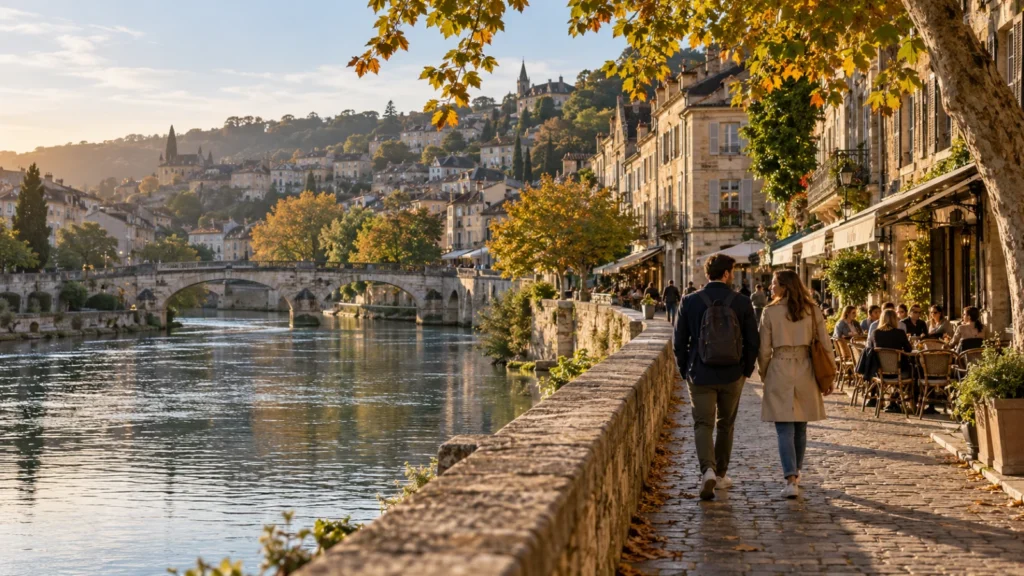
The best time to visit Europe by region changes with latitude, elevation and the kind of trip you want. July can be uncomfortably hot for a city-heavy Mediterranean route yet ideal for a northern road trip or a high mountain trail.
Choose the region and activity first. Then compare weather patterns, daylight, seasonal transport and demand. A single “best month for Europe” hides too many important differences.
Quick Answer
- Northern Europe: June through August for the longest days and broadest seasonal access.
- Western and Central European cities: late spring and early fall often balance walking weather with manageable demand.
- Mediterranean cities: April to May and late September to October can avoid the strongest summer heat.
- Mediterranean beaches: June and September often work well, but sea temperature, ferry frequency and school holidays vary.
- Alpine trips: winter for skiing; mid-summer into early fall for many high trails, subject to snow and local operations.
- Eastern Europe: late spring and September are useful starting windows, then adjust for the exact city, coast or mountain area.
Best time to visit Europe by region
| Region | Spring | Summer | Fall | Winter | Good for |
|---|---|---|---|---|---|
| Northern Europe | Longer days arrive quickly, but weather and seasonal services vary | Longest days and widest outdoor access; popular places book early | Cooler, darker and quieter; fall color in some areas | Very short days in the far north; snow and aurora-focused trips | Road trips, islands, hiking, long daylight |
| Western and Central Europe | Good city weather with holiday and rain exceptions | Full schedules, festivals and heavy demand in major cities | Comfortable early season, then shorter and wetter days | City breaks, museums, markets and winter sports gateways | Cities, rail trips, culture |
| Mediterranean and Southern Europe | Comfortable sightseeing; sea may still be cool | Reliable beach season with heat and peak coastal demand | Warm sea early, easier city temperatures later | Mild city days in some areas; many resort services close | Coasts, islands, food, archaeology |
| Alpine Europe | Variable transition season; snow can close high routes | Main hiking window at elevation | Clear early weeks possible; lifts and huts begin closing | Ski season, with timing dependent on altitude and snow | Hiking, skiing, mountain scenery |
| Eastern Europe and the Balkans | Mild city travel in many areas; mountain conditions vary | Hot inland cities, active coasts and festivals | Pleasant early season and harvest travel | Cold inland; ski and city trips | Cities, coasts, culture, mountains |
These are planning windows, not weather promises. Historic climate can guide your first choice; the current forecast should guide packing and daily plans.
Northern Europe rewards summer travel
Scandinavia, Iceland, the British Isles and the Baltic region do not share one climate, but daylight is a common planning factor. Summer gives more usable hours for roads, ferries and outdoor sights. It can also bring higher lodging demand in small gateways. For broader climate context, the Copernicus Climate Change Service provides regional climate monitoring across Europe.
Late spring or early fall may suit a city trip, but do not assume every seasonal route, visitor center or island business runs at full frequency. In the far north, winter is a purpose-built trip: darkness, snow and weather become part of the plan rather than a discount version of summer.
Western and Central Europe have a longer city season
London, Paris, Amsterdam, Berlin, Vienna and nearby rail corridors work year-round. Late April through June and September into early October are useful starting points for walking and day trips, but public holidays, trade fairs, school breaks and major events can make an “off-peak” week expensive.
Winter suits museums, food and shorter city breaks if you accept limited daylight and more indoor time. For a multi-stop route, use the guide to build a 7 to 10 day Europe itinerary before adding seasonal day trips.
The Mediterranean has separate city and beach calendars
Southern Spain, Italy, Greece, Portugal’s southern coast and Mediterranean islands can be excellent in summer, especially when the trip is built around swimming and evenings outdoors. The same heat can make midday archaeology or long city walks tiring.
April and May favor city touring, though the sea may feel cold and some island services are still ramping up. June combines long days with beach conditions in many destinations. September often keeps warm water after the largest summer rush, while October becomes less predictable by island and latitude.
Route-specific plans matter more than country labels. Compare the pacing in a 10-day Italy itinerary with a 10-day Spain itinerary; coast, city and rail choices change the best window.
Mountain seasons follow elevation, not the city calendar
A warm valley does not mean a high trail is open. Snowpack, storms, hut dates and lift operations set the practical season. Many high routes are safest and most accessible in mid-summer, while lower paths can work earlier or later. In winter, ski conditions vary by altitude and year.
Check the local mountain authority, lift operator and forecast shortly before each outing. Never use a general Europe article as evidence that a specific pass is safe.
Crowds and prices need careful language
July and August bring strong demand to famous cities and Mediterranean coasts, but “summer is always most expensive” is too broad. A ski town can peak in February. A business city can cost more during a convention. A beach resort may close much of its inventory in winter rather than sell it cheaply.
When deciding the best time to visit Europe by region, search exact dates and compare total trip cost instead of relying on a generic high-season or shoulder-season label. The guide to cheap flights to Europe explains how gateways and onward transport can outweigh the lowest airfare.
Common timing mistakes
- Calling May and September “shoulder season” everywhere without checking local demand.
- Planning a beach trip around air temperature while ignoring sea temperature and wind.
- Assuming a warm city means high mountain trails are open.
- Ignoring daylight when building a northern road trip.
- Expecting every ferry, hut, cable car or coastal restaurant to operate off-season.
- Using climate averages as a forecast.
FAQ
What is the best month to visit Europe?
There is no single best month. May and September fit many city trips, but summer can be better for northern daylight, beaches and high mountains.
Is August a bad time to visit Europe?
No. It is busy and hot in many famous southern destinations, but it can be a good month for the Nordic region, beaches and Alpine access. Book early and match the activity to the climate.
When is Europe least crowded?
Many city destinations are quieter in late fall and winter outside holidays. Seasonal closures and short daylight can be the trade-off. Major capitals rarely have a truly empty season.
When should I visit Europe for beaches?
June through September is the broad Mediterranean window. Exact water temperature, wind, crowds and ferry schedules vary, so check the specific coast or island.
How far ahead should I check the weather?
Use historic climate while choosing dates. Use a short-range forecast for packing and daily decisions, especially for mountains, heat and storms.
Conclusion
The best time to visit Europe by region begins with the trip you are taking. Favor summer for northern daylight, beaches and many high trails. Test late spring or early fall for city-heavy routes. Then verify exact opening dates, demand and weather for the destination. A route such as the 10-day France itinerary may even cross more than one seasonal pattern.
Last updated: November 4, 2026. Weather, seasonal transport, attraction hours and demand change by year and destination. Check local official information before booking.