
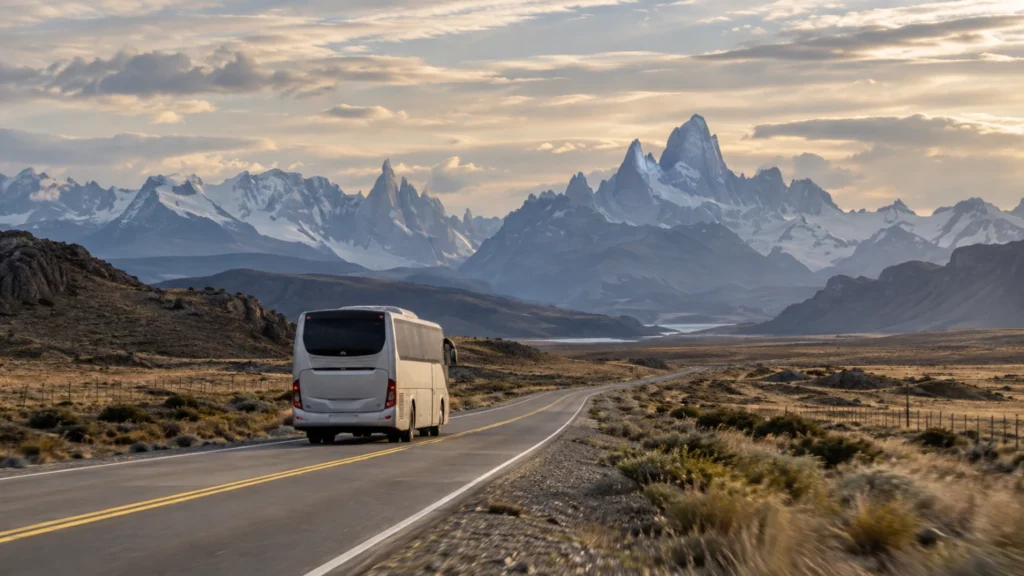
Argentina does not become a small country because the trip is short. Buenos Aires, Iguazú, Mendoza, Bariloche, Ushuaia, and southern Patagonia may all fit on an inspiration list, but they do not fit well into the same ten days.
This 10-day Argentina itinerary uses nine nights: four in Buenos Aires across the beginning and end, two in El Calafate, two in El Chaltén, and one final night in El Calafate before the flight north.
Quick Answer
- Route: Buenos Aires, El Calafate, El Chaltén, El Calafate, Buenos Aires.
- Night split: Buenos Aires 3 + 1, El Calafate 2 + 1, El Chaltén 2.
- Main experience: Buenos Aires plus Perito Moreno Glacier and a short El Chaltén stay.
- Biggest trade-off: only one full El Chaltén hiking day, with Day 8 acting as partial weather backup.
- Do not add: Iguazú, Mendoza, Bariloche, or Ushuaia.
10-day Argentina itinerary at a glance
| Day | Plan | Sleep |
|---|---|---|
| 1 | Arrive Buenos Aires | Buenos Aires |
| 2 | Historic center and San Telmo | Buenos Aires |
| 3 | North-side neighborhoods or flexible city day | Buenos Aires |
| 4 | Fly to El Calafate | El Calafate |
| 5 | Perito Moreno Glacier | El Calafate |
| 6 | Bus to El Chaltén; short walk | El Chaltén |
| 7 | Main hiking or scenery day | El Chaltén |
| 8 | Weather-flex morning; return to El Calafate | El Calafate |
| 9 | Fly to Buenos Aires | Buenos Aires |
| 10 | Depart Buenos Aires | — |
Days 1–3: Buenos Aires
Use the arrival day for one neighborhood near the hotel. Over the next two days, divide the city into sensible areas instead of crossing it repeatedly. One day can pair the historic center with San Telmo. The other can focus on Recoleta, Palermo, museums, parks, or the interest that brought you to the city.
Do not schedule a late show or prepaid dinner against an uncertain international arrival. Keep the first three nights together so the trip has a stable start before the domestic flight.
Days 4–5: El Calafate and Perito Moreno
Fly south on Day 4 and let the schedule determine how much of the afternoon remains. On Day 5, visit the Perito Moreno Glacier area. Argentina’s national park service publishes official information on activities in Los Glaciares National Park, while its access and hours page covers current entry times and how to reach the Perito Moreno sector. Check both again for your travel date rather than relying on an old timetable or fee.
The park describes a network of walkways at the glacier sector. Optional navigation or guided activities require separate checks for availability, conditions, and accessibility. The viewpoints are enough for a full main outing; extras are choices, not requirements.
Days 6–8: El Chaltén with weather margin
Travel by scheduled bus to El Chaltén on Day 6. After check-in, choose a short walk only if daylight, weather, and energy allow. Day 7 is the main hiking or scenery day. Match the route to current trail status, wind, visibility, daylight, and your ability.
Patagonian weather can change quickly, and Argentina’s national park service specifically advises visitors to check current route and trail conditions because conditions can change at any time of year. Day 8 keeps the morning available if Day 7 was poor, then returns to El Calafate for the night. Confirm the bus before building the day around a long trail, and review the park’s current Los Glaciares visitor recommendations before choosing the hike. A two-night El Chaltén stay is still compact; travelers whose main goal is hiking should add nights and remove time elsewhere.
Days 9–10: Return to Buenos Aires
Fly to Buenos Aires on Day 9 and sleep there before the international departure. This buffer is not glamorous, but it prevents a separate domestic flight from becoming the only bridge to a long-haul ticket. Use the evening for a final meal or neighborhood walk if the flight operates as planned.
How to book the route
- Fix the international arrival and departure window.
- Compare Buenos Aires airports and domestic schedules on the exact dates.
- Reserve Patagonia lodging and confirm cancellation conditions.
- Match El Chaltén buses to hotel nights, not to a fragile same-day flight.
- Check park access and activities closer to travel.
Use the trip planning checklist to track the chain. Compare dates and airports with Google Flights, then check whether one-way or round-trip domestic tickets produce the better combination of price and protection.
What not to add
Iguazú requires flights and deserves real time at the falls. Mendoza belongs in a wine-and-Andes route. Bariloche and Ushuaia pull the trip into different parts of Patagonia. Torres del Paine adds an international border and a separate planning problem. Save each for another itinerary.
Related Reading
FAQ
Is two nights in El Chaltén enough?
It is enough for a compact introduction with one main day and limited backup. It is not enough for a hiking-focused trip with strong weather flexibility.
Can I fly from El Calafate and connect straight home?
You can find schedules that appear to work, but separate tickets create failure risk. A final Buenos Aires night is the safer default for this route.
Conclusion
This 10-day Argentina itinerary works because Buenos Aires and Los Glaciares are enough for the time available. It protects a Patagonia weather window, avoids a same-day bus-to-flight gamble, and returns to Buenos Aires before the international departure.
Last updated: September 2026. Flights, buses, park access, trail conditions, weather, fees, and entry requirements can change. Verify current official information and local conditions before travel.